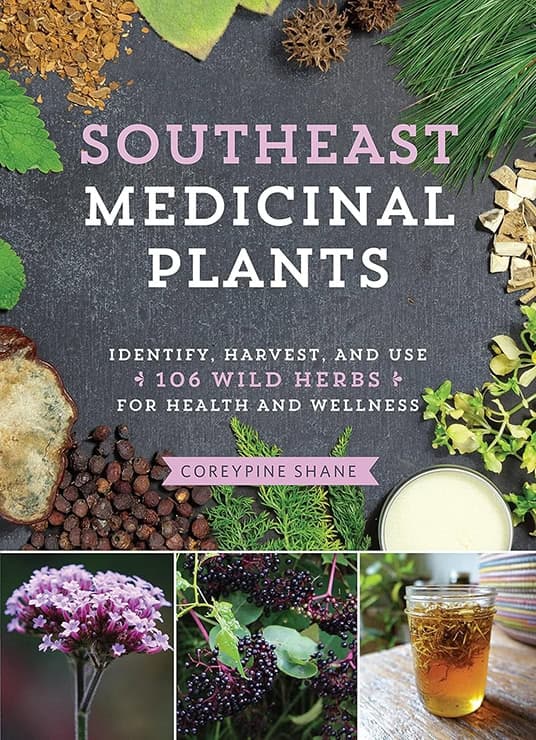
Southeast Medicinal Plants: Identify, Harvest, Use
Curriculum guides and projects and activities and lessons
PEP policy guidance
A deterministic result from the reviewed 2026–27 rule pack. It is guidance, not a funding guarantee.
The reviewed source is review due. Recheck the current official guide before relying on this guidance.
- Program and school year
- FTC-PEP · 2026-27
- Rule pack
- step-up-ftc-pep-2026-27 · v1.0.1
- Evidence level
- Official category rule
- Source freshness
- Review due · Low
How this result was reached
The engine applies explicit rules in precedence order and records what is still unknown.
Verify the exact item, documents, funds, and payment path in EMA.
Rules applied
- Curriculum is authorized with format and availability conditions
PEP-2026-27-AUTHORIZED-CURRICULUM-CONDITIONS
Information still needed
- Current official category match
- Exact item match in the official portal
- Required supporting documents
- Available account balance
Product description
Learn to confidently identify and use the Southeast’s most valuable medicinal plants with <em>Southeast Medicinal Plants: Identify, Harvest, and Use 106 Wild Herbs for Health and Wellness</em> by herbalist CoreyPine Shane.<br><br>This comprehensive field guide introduces readers to <strong>over 100 wild herbs commonly found throughout the southeastern United States</strong>, including Florida, Georgia, Alabama, Tennessee, the Carolinas, and beyond.<br><br>Designed for both beginners and experienced herbal enthusiasts, this practical guide combines plant identification, ethical foraging practices, and herbal remedy preparation into one easy-to-use resource. Each plant profile includes clear color photographs, identification tips, harvesting guidance, medicinal uses, and preparation ideas such as teas, tinctures, salves, and syrups. Seasonal foraging lists help readers know what plants are available throughout the year.<br><br><strong>What You’ll Learn:</strong><br><ul><li>How to identify 106 wild medicinal plants found in the Southeast</li><li>Safe and ethical wildcrafting and harvesting practices</li><li>How to make herbal teas, tinctures, salves, syrups, and other remedies</li><li>The medicinal uses and wellness benefits of common native plants</li><li>Seasonal foraging tips and when plants are best harvested</li><li>How to build a simple home herbal apothecary</li><li>Basic herbal safety and preparation techniques</li><li>Hands-on self-sufficiency and homesteading skills</li><li>Nature study and outdoor observation skills</li><li>How to connect traditional plant knowledge with modern natural wellness</li></ul>
Source evidence
These fields describe where the listing came from. They do not establish funding eligibility.
- Catalog
- FESUA_DailySkillBuilding
- Source type
- Search
- Link status
- Stepup product link
- Enrichment confidence
- Unknown
Official policy source
Policy guidance is tied to this reviewed source and version.
- Publisher
- Step Up For Students
- Applies to
- FTC-PEP · 2026-27
- Effective dates
- Jul 1, 2026 — Jun 30, 2027
- Source last modified
- Jul 14, 2026
- Reviewed by Navigator
- Jul 23, 2026
- Review due
- Aug 14, 2026
Verify the exact item, documents, funds, and payment path in EMA.
Open the official Step Up login page, sign in directly, and verify the exact item, required documents, available funds, and payment path.
Secure official handoff. Easy Homeschool does not request, collect, or transmit your Step Up credentials.