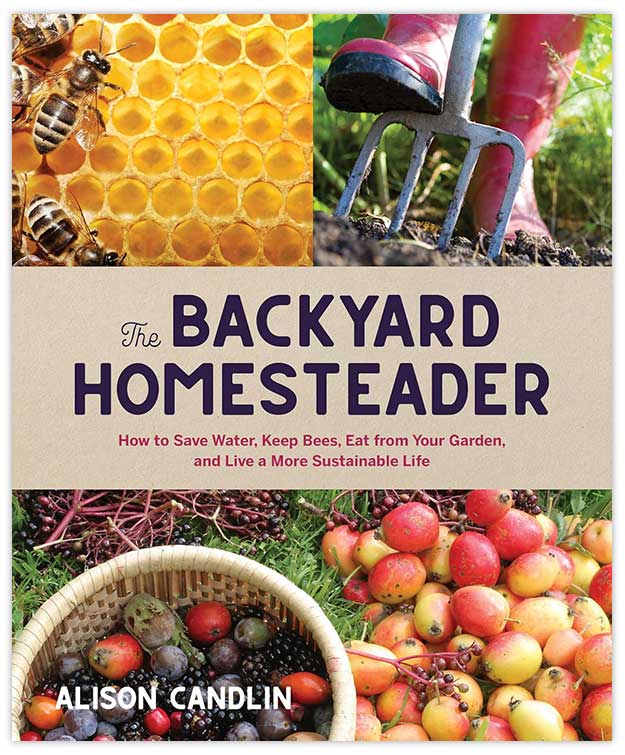
The Backyard Homesteader
Curriculum guides and projects and activities and lessons
PEP policy guidance
A deterministic result from the reviewed 2026–27 rule pack. It is guidance, not a funding guarantee.
The reviewed source is stale. Recheck the current official guide before relying on this guidance.
- Program and school year
- FTC-PEP · 2026-27
- Rule pack
- step-up-ftc-pep-2026-27 · v1.0.1
- Evidence level
- Official category rule
- Source freshness
- Stale · Low
How this result was reached
The engine applies explicit rules in precedence order and records what is still unknown.
Verify the exact item, documents, funds, and payment path in EMA.
Rules applied
- Curriculum is authorized with format and availability conditions
PEP-2026-27-AUTHORIZED-CURRICULUM-CONDITIONS
Information still needed
- Current official category match
- Exact item match in the official portal
- Required supporting documents
- Available account balance
Product description
Transform your backyard into a self-sustaining classroom with <em>The Backyard Homesteader</em>. This practical guide shows families how to grow food, raise animals, conserve water, and adopt sustainable techniques — all while engaging in meaningful, hands-on learning and stewardship of land.<br><br>Physical Book<br><br>From preparing the land and nurturing soil, to planting vegetables and fruit, and raising animals like bees, chickens, and goats — each chapter is filled with clear instructions, seasonal guidance, troubleshooting tips, and beautiful photographs. You’ll also explore wild foraging, preserving your harvest, and adopting renewable energy and water-saving systems to make your home more self-reliant.<br><br>You’ll begin by planning, clearing, and enriching land; learn to work with seasonal cycles and garden rotations; establish fruits, vegetables, and herbs; care for animals such as pigs, goats, chickens, and bees; forage wild foods; preserve what you grow; and adopt energy- and water-saving practices. You’ll also encounter resources for troubleshooting pests, diseases, and building sustainable infrastructure.<br><br><strong>Topics include:</strong><br><ul><li>Planning, clearing overgrown land, and preparing soil</li><li>Composting, improving drainage, and soil amendments</li><li>Tools, greenhouse use, cloches, and growing calendars</li><li>Seasonal tasks: spring, summer, fall, and winter routines</li><li>Vegetable cultivation: crops like tomatoes, roots, legumes, greens</li><li>Growing fruit: trees, berries, grapes, figs</li><li>Pest, disease, and plant problem diagnosis</li><li>Raising animals: pigs, goats, chickens, ducks, bees</li><li>Wild food harvesting: herbs, nuts, mushrooms, fishing, foraging</li><li>Preserving produce: canning, pickling, jams, meat, goat milk</li><li>Water and energy conservation: rain capture, solar power, efficiency</li><li>Alternative energy sources, recycling systems, and self-sufficiency</li></ul>
Source evidence
These fields describe where the listing came from. They do not establish funding eligibility.
- Catalog
- FESUA_DailySkillBuilding
- Source type
- Search
- Link status
- Stepup product link
- Enrichment confidence
- Unknown
Official policy source
Policy guidance is tied to this reviewed source and version.
- Publisher
- Step Up For Students
- Applies to
- FTC-PEP · 2026-27
- Effective dates
- Jul 1, 2026 — Jun 30, 2027
- Source last modified
- Jul 14, 2026
- Reviewed by Navigator
- Jul 23, 2026
- Review due
- Aug 14, 2026
Verify the exact item, documents, funds, and payment path in EMA.
Open the official Step Up login page, sign in directly, and verify the exact item, required documents, available funds, and payment path.
Secure official handoff. Easy Homeschool does not request, collect, or transmit your Step Up credentials.