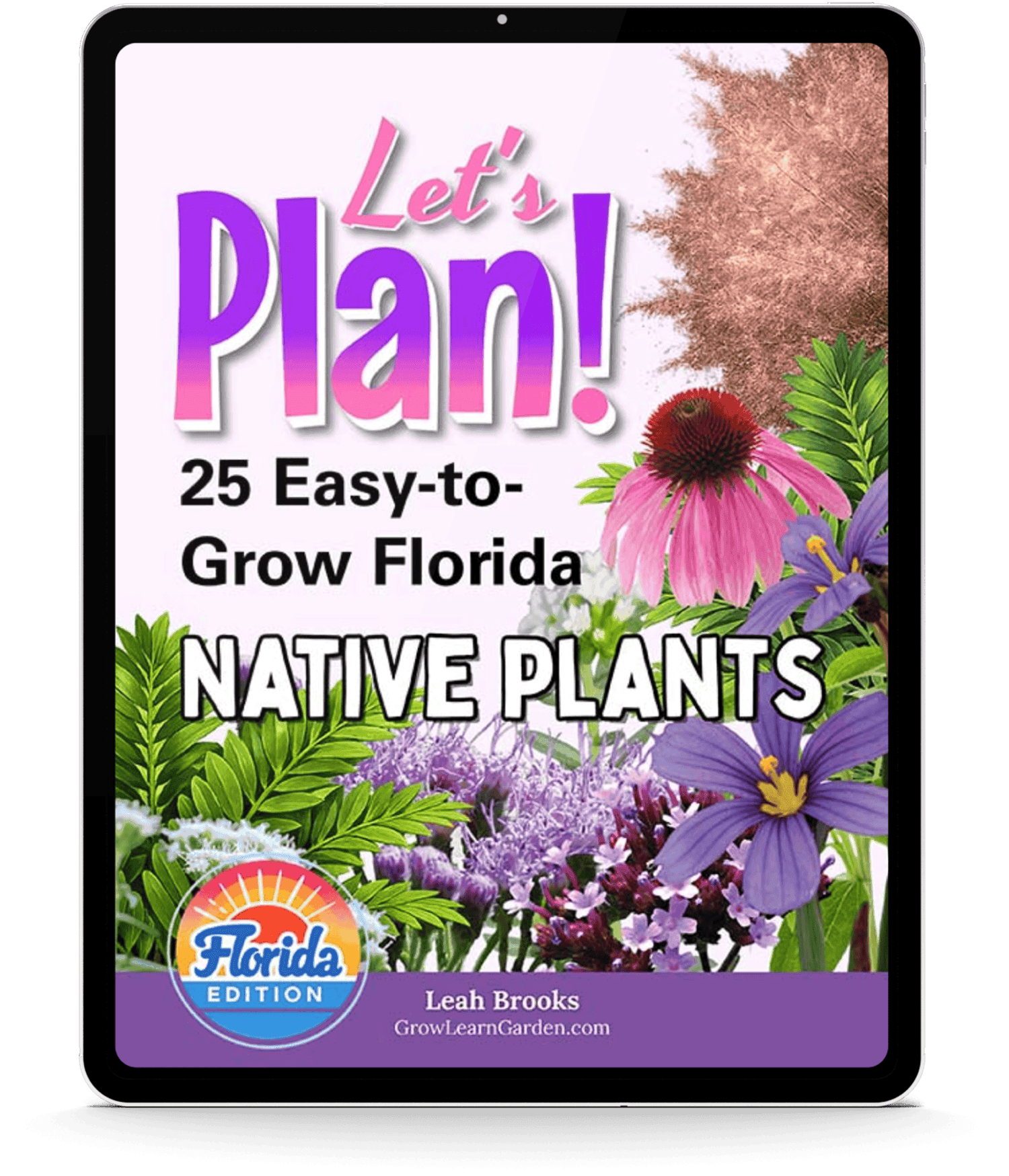
Let's Plan! 25 Easy-to-Grow Florida Native Plants
Curriculum guides and projects and activities and lessons
PEP policy guidance
A deterministic result from the reviewed 2026–27 rule pack. It is guidance, not a funding guarantee.
The reviewed source is review due. Recheck the current official guide before relying on this guidance.
- Program and school year
- FTC-PEP · 2026-27
- Rule pack
- step-up-ftc-pep-2026-27 · v1.0.1
- Evidence level
- Official category rule
- Source freshness
- Review due · Low
How this result was reached
The engine applies explicit rules in precedence order and records what is still unknown.
Verify the exact item, documents, funds, and payment path in EMA.
Rules applied
- Curriculum is authorized with format and availability conditions
PEP-2026-27-AUTHORIZED-CURRICULUM-CONDITIONS
Information still needed
- Current official category match
- Exact item match in the official portal
- Required supporting documents
- Available account balance
Product description
<i>Let’s Plan! 25 Easy-to-Grow Florida Native Plants</i> introduces students to 25 beautiful, low-maintenance native plants that thrive in Florida landscapes. Each plant profile clearly explains what it likes, when it blooms, what pollinators it attracts, and where it grows best — making it simple for families to confidently choose and grow native plants that support bees, butterflies, birds, and wildlife.<br><br>Publisher: Grow · Learn · Garden<br>Author: Leah Brooks, Florida Master Gardener Trained<br>32 pages | This is a digital only resource.<br><br>Designed to make native gardening simple and approachable, this guide breaks down each plant into easy-to-understand sections:<br><br><ul><li>What the plant looks like</li><li>Sun and soil preferences</li><li>Bloom seasons (spring, summer, fall, or winter)</li><li>Florida hardiness regions (North, Central, South)</li><li>Which pollinators and wildlife it attracts</li></ul><br>Students discover pollinator favorites like:<br><br><ul><li>Butterflyweed</li><li>Dune Sunflower</li><li>Firebush</li><li>Goldenrod</li><li>Purple Coneflower</li><li>Swamp Milkweed</li><li>Scarlet & Lyreleaf Sage</li><li>Muhlygrass</li><li>Coontie (host plant for the Atala butterfly)</li><li>…and many more.</li></ul><br>Each profile highlights practical growing tips — from drought tolerance and sandy soil adaptability to salt tolerance and moisture needs.<br><br>This guide helps students:<br><br><ul><li>Understand Florida ecosystems</li><li>Learn how native plants support pollinators</li><li>Make informed planting decisions</li><li>Build confidence in real-world gardening</li></ul>Whether you’re planting a small pollinator bed, adding native shrubs to your yard, or designing a full Florida-friendly landscape, this book provides a clear, visual roadmap to growing plants that belong here — and that thrive here.
Source evidence
These fields describe where the listing came from. They do not establish funding eligibility.
- Catalog
- FESUA_DailySkillBuilding
- Source type
- Search
- Link status
- Stepup product link
- Enrichment confidence
- Unknown
Official policy source
Policy guidance is tied to this reviewed source and version.
- Publisher
- Step Up For Students
- Applies to
- FTC-PEP · 2026-27
- Effective dates
- Jul 1, 2026 — Jun 30, 2027
- Source last modified
- Jul 14, 2026
- Reviewed by Navigator
- Jul 23, 2026
- Review due
- Aug 14, 2026
Verify the exact item, documents, funds, and payment path in EMA.
Open the official Step Up login page, sign in directly, and verify the exact item, required documents, available funds, and payment path.
Secure official handoff. Easy Homeschool does not request, collect, or transmit your Step Up credentials.